
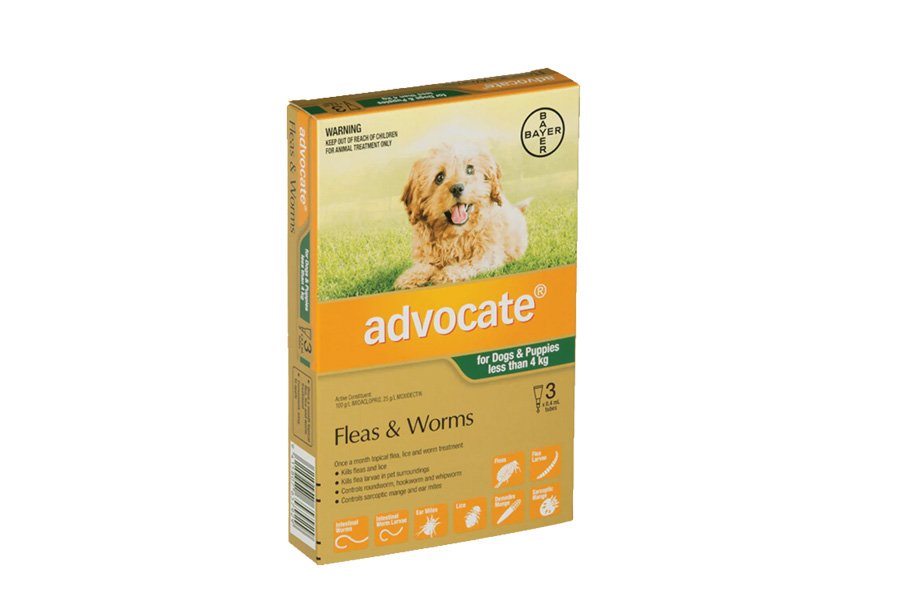
Administering Advocate for Dogs correctly is crucial for both its effectiveness in protecting your pet and for their safety. Advocate is a powerful, prescription-only product. Maximizing its benefits and ensuring safety hinges on correct application and consistent timing.
1. Obtain a Proper Veterinary Prescription and Diagnosis
The Practice: Always have your dog examined by a veterinarian before the first application. Advocate is a prescription medication, not an over-the-counter product.
Why it Matters: Your vet will confirm your dog’s health status, ensure it’s the right product for the local parasite risks, and prescribe the exact dosage for your dog’s weight. They will also ensure your dog is tested for heartworm before starting, as giving preventatives to an infected dog can cause complications.
2. Weigh Your Dog Accurately for Correct Dosing
The Practice: Weigh your dog immediately before purchasing or applying each dose. Do not estimate or use an old weight.
Why it Matters: Advocate is sold in precise weight ranges. Under-dosing leaves your dog vulnerable to parasites, while over-dosing increases the risk of side effects. An accurate weight is non-negotiable for safety and efficacy.
3. Apply Directly to the Skin, Not the Fur
The Practice: Part the fur on the back of your dog’s neck, at the base of the skull, until you can see the skin clearly. Place the tip of the pipette directly against the skin and squeeze to empty the entire contents onto one or two spots in this area.
Why it Matters: The active ingredients must be absorbed through the skin to become effective. Applying it on top of the fur will drastically reduce absorption and render the treatment largely ineffective.
4. Ensure a Dry, Intact Application Site
The Practice: Apply the product to completely dry, healthy skin. Do not apply to wet skin or to areas with cuts, sores, or skin infections.
Why it Matters: Water can dilute the product and hinder proper absorption. Applying to broken skin can increase systemic absorption and the potential for side effects.
5. Prevent Interference After Application
The Practice: Do not bathe your dog, swim, or let them get wet for at least 48 hours (2 full days) after application. Also, prevent other pets and children from touching or licking the application site until it is completely dry.
Why it Matters: This allows the product to fully absorb and spread across the skin’s oil glands. Interference during this period can wash it away or lead to oral ingestion by another animal.
6. Adhere to a Strict Monthly Schedule
The Practice: Administer Advocate on the same day each month, year-round. Set a recurring reminder on your calendar or phone.
Why it Matters: The protective levels of the medication are designed to last for 30 days. Applying it even a week late can leave your dog vulnerable to parasites, especially heartworm, which requires strict, uninterrupted monthly prevention.
7. Use the Entire Pipette for a Single Dog
The Practice: One pipette contains the exact dose for one dog in a specific weight range. Use the entire contents of one pipette per dog. Never split a large dog’s dose between two smaller dogs.
Why it Matters: Splitting doses is inaccurate and will result in under-dosing, leaving both dogs unprotected. Each dog must receive the full, correct dose for their individual weight.
8. Monitor for Potential Side Effects
The Practice: After application, monitor your dog for any unusual signs. Common, temporary side effects can include hair loss at the site, redness, or greasy fur. More serious but rare reactions can include vomiting, diarrhea, lethargy, or neurological signs like tremors.
Why it Matters: While most dogs tolerate it well, being vigilant allows you to identify and report any adverse reactions to your veterinarian promptly.
9. Store the Product Correctly
The Practice: Store Advocate in its original packaging at room temperature, away from direct sunlight and out of reach of children and pets.
Why it Matters: Proper storage ensures the chemical stability of the product. A dog that chews into a pipette can suffer from a severe overdose.
10. Integrate it into a Comprehensive Parasite Control Plan
The Practice: Understand that while Advocate is broad-spectrum, it is not a complete standalone solution in all regions. Discuss with your vet if you need additional protection, especially against ticks and tapeworms, which Advocate does not cover comprehensively.
Why it Matters: In many areas, pairing Advocate with a dedicated tick control product is necessary for full protection. Your veterinarian can design a complete, tailored plan for your dog’s specific environment and lifestyle.
Quick-Reference Administration Checklist
- Veterinary Prescription: Confirmed by a vet, with a heartworm test if needed.
- Accurate Weight: Dog weighed on a scale for correct dosage.
- Dry & Healthy Skin: Applied to dry, intact skin at the base of the skull.
- Full Dose: Entire contents of one pipette used for one dog.
- Post-Application Care: No bathing, swimming, or interference for 48 hours.
- Monthly Schedule: Next dose scheduled for exactly 30 days later.
- Storage: Product stored safely in a cool, dry place.
By following these 10 best practices, you ensure that your dog receives the full, life-saving benefits of royal canin and Advocate’s protection against a wide range of parasites, while minimizing any risks and ensuring their ongoing safety.
Important Disclaimer:
This information is for educational purposes. Always follow the specific instructions provided by your veterinarian and the product packaging. Your veterinarian is the final authority on the safe and effective use of any medication for your individual dog.