
Skin rashes are a common issue in dogs, and they can stem from a variety of causes, ranging from mild irritants to more serious underlying health problems. While some rashes can be treated with at-home remedies or over-the-counter products, others may require veterinary intervention. Understanding the causes, symptoms, and treatment options for dog skin rashes is key to helping your pet recover comfortably and quickly.
Common Causes of Dog Skin Rashes
1. Allergies
Allergies are one of the leading causes of skin rashes in dogs. These may be:
- Environmental allergens (pollen, mold, dust mites)
- Food allergies (chicken, beef, dairy, wheat)
- Contact allergens (shampoos, cleaning products, certain fabrics)
Allergic reactions can cause red, itchy skin, often accompanied by licking, chewing, or hair loss.
2. Parasites
Fleas, ticks, mites, and lice can irritate a dog’s skin, leading to inflammation and secondary infections. Flea allergy dermatitis is particularly common and can cause severe itchiness and rash.
3. Infections
Bacterial and fungal infections, such as staph or ringworm, may present as red, scaly, or crusty patches. These often need medicated treatments prescribed by a vet.
4. Hot Spots
Also known as acute moist dermatitis, hot spots are inflamed, infected areas of skin caused by intense scratching or licking. They can develop rapidly and require immediate care.
5. Hormonal Imbalances
Conditions such as hypothyroidism or Cushing’s disease can weaken the immune system and make the skin more prone to rashes, dryness, and infections.
Identifying a Skin Rash in Dogs
Common signs of a rash include:
- Redness or pink patches on the skin
- Bumps or pustules
- Scabs or crusts
- Hair loss around the affected area
- Excessive licking, scratching, or rubbing
Rashes are often most noticeable on a dog’s belly, armpits, groin, or inner thighs—areas with thinner fur and more skin contact.
Effective Treatment Options
Topical Treatments
For many mild to moderate rashes, topical treatments offer a fast, non-invasive option. These may include soothing creams, medicated shampoos, or natural sprays.
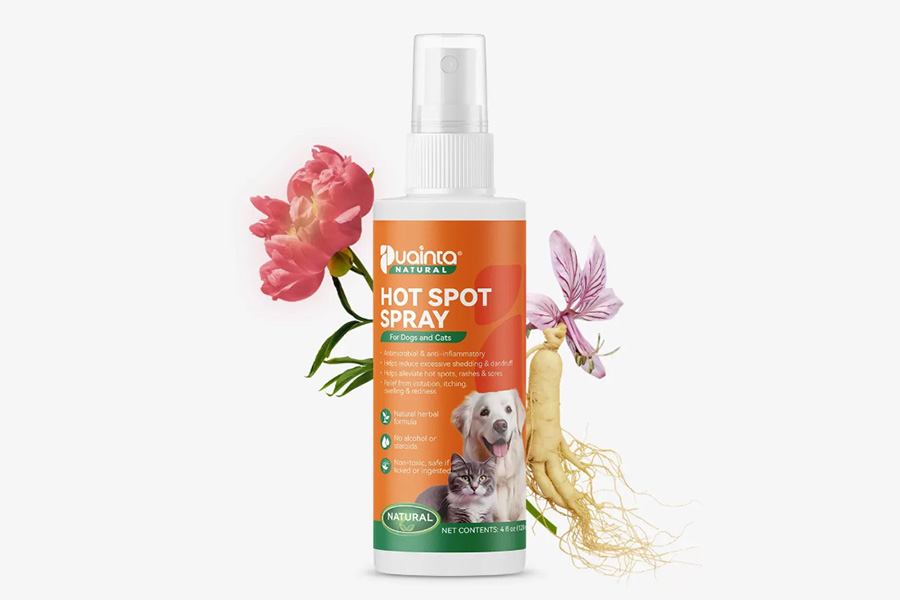
For pet owners looking for a gentle, fast-acting dog skin rash treatment, Puainta® Natural Hot Spot Spray for Dogs and Cats can help soothe redness, itching, and inflammation caused by skin rashes. Its botanical-based formula makes it suitable even for pets with sensitive skin.
Home Remedies
Some at-home options can offer relief if the rash is not too severe:
- Oatmeal baths can reduce inflammation and calm itchy skin
- Coconut oil may help moisturize and fight mild infections
- Aloe vera gel (pet-safe, without added alcohols) can cool irritated skin
These remedies should not replace veterinary care if symptoms worsen or persist.
Medications
In cases of infections or severe allergic reactions, your vet may prescribe:
- Antibiotics or antifungals
- Antihistamines for allergy relief
- Steroids to reduce inflammation
Always follow your veterinarian’s directions when using these medications.
Preventing Future Rashes
Prevention is often the best treatment. You can reduce the likelihood of future rashes by:
- Using flea and tick prevention consistently
- Bathing your dog regularly with gentle, dog-friendly shampoos
- Feeding a balanced, allergen-free diet
- Washing pet bedding and cleaning your home frequently
- Using natural sprays as a barrier to environmental irritants
When to See a Vet
Seek veterinary attention if:
- The rash is spreading or worsening
- There’s bleeding, pus, or an unpleasant odor
- Your dog is in visible discomfort or pain
- The skin lesions are not improving within a few days
Rashes can sometimes be a symptom of a more serious condition, so early diagnosis is important.
Final Thoughts
Dog skin rashes are not uncommon, but that doesn’t mean they should be taken lightly. With the right approach, including early identification, appropriate treatment, and consistent prevention, most dogs can recover fully and avoid recurring skin issues.
For pet owners who prefer a non-toxic, plant-based solution for their dog’s skin discomfort, sprays such as Puainta® Natural Hot Spot Spray offer a convenient and effective option. Always consult your veterinarian before using new products on sensitive skin.