
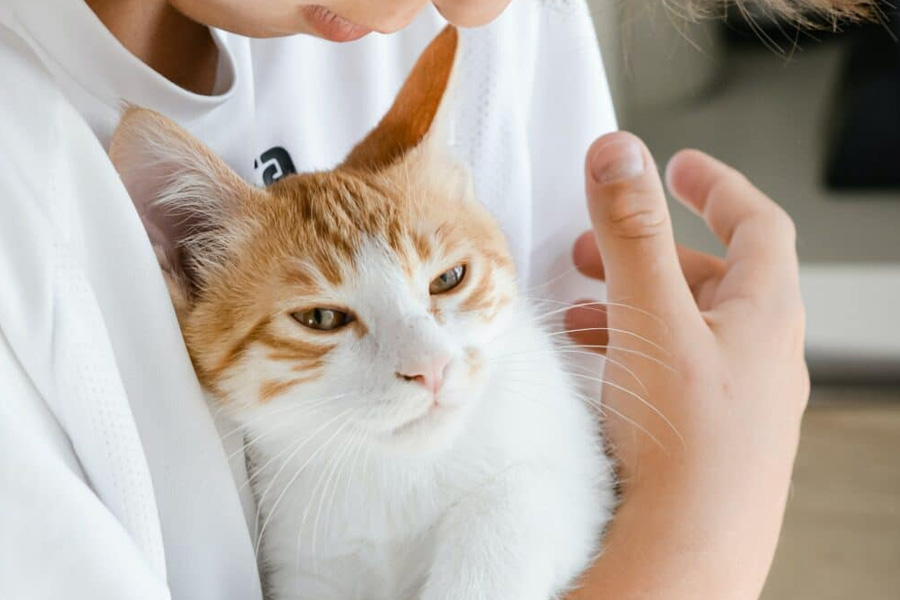
Cats are masters at hiding their emotions. You don’t know they’re feeling anything until you see them isolating themselves in the corners of the house. You only see them active once in a while. They’re always lying down and don’t want to play or eat.
You find yourself asking: What could be the reason for the cat’s mood change? Your feline is sad and lethargic, instead of happy and playful. To the point where it is vomiting and the poop is wet. Could this be a sign of feline gastroenteritis (แมวลำไส้อักเสบ)?
Pet owners must know what is happening to their feline. Detecting health problems at an earlier stage allows them to give immediate medication.
Understanding gastroenteritis in cats
Gastroenteritis is a gastrointestinal tract inflammation, particularly in the stomach and intestines. It is the reason why you see your cats have wet poop. Gastroenteritis in cats is caused by infection. The infection is caused by:
- bacteria
- viruses
- parasites
Gastroenteritis is not merely caused by infection, but also by medications or new foods. A sudden change in food can shock the cat’s digestion due to the foreign food. Feeding them new foods is not a good idea, especially if the cat has a gut problem.
Signs of gastroenteritis
Pet owners must be aware of the signs of gastroenteritis. This helps them determine the health condition if their feline is suffering from the condition. Cats with gastroenteritis have periodic episodes of:
- vomiting
- diarrhea
The vomit has a foamy, yellowish bile. This happens after emptying the stomach. They observe their cat gagging after eating or drinking. Diarrhea is usually produced several times per day. The diarrhea has the texture of soft-serve ice cream.
Cats resist when picked up around their abdomen. They resist when handled on their stomach and hindquarters. Cats affected by gastroenteritis are:
- lethargic
- decreased appetite
- keeps hiding
Diagnosing gastroenteritis in cats
A veterinarian eliminates other serious causes of clinical signs before making a general diagnosis of gastroenteritis. A medical history is a good first step to determine what causes your cat’s:
- vomiting
- diarrhea
- lethargy
The veterinarian performs a medical history for important information about the cat. A physical examination ensures no other causes of an upset stomach. The veterinarian looks for evidence of dehydration and bloating, and more. The cat’s temperature and other vital signs are recorded.
Diagnostic testing is a veterinarian’s recommendation for cat owners. The testing includes:
Complete blood cell count
CBC indicates the presence of dehydration and anemia. The testing helps diagnose infections in cats, too.
Fecal test
A fecal test detects intestinal parasites in cats. Cats keep on grooming themselves that make them prone to parasites.
Serum chemistries and electrolytes
An imbalanced electrolyte causes vomiting and diarrhea. It detects organ abnormalities too.
Abdominal radiographs
The testing searches for intestinal or stomach obstruction, including other abnormalities.
Urinalysis
A urinary test detects UTI and kidney disease in cats. It can also detect some other kinds of disease, such as diabetes and dehydration in cats.
Abdominal ultrasound
The ultrasound searches for intestinal obstructions. This detects cancers and other abnormalities.
The veterinarian chooses a test to run for the condition based on severity.
FAQs
Is continuing vomiting in cats a risky condition?
Cats become dehydrated when suffering from continuing vomiting. They become weak until their body can hardly survive. Dehydration can be deadly to cats.
What important information in a cat’s medical history to check?
The information a veterinarian checks in the medical history of a cat is:
- current diet
- the amount you feed
- how often you feed
- what food you feed in 48 hours
- possible exposure to pesticides or other materials
What is the primary treatment of gastroenteritis?
The primary treatment includes:
- Rehydration
- Blood electrolyte balance restoration