
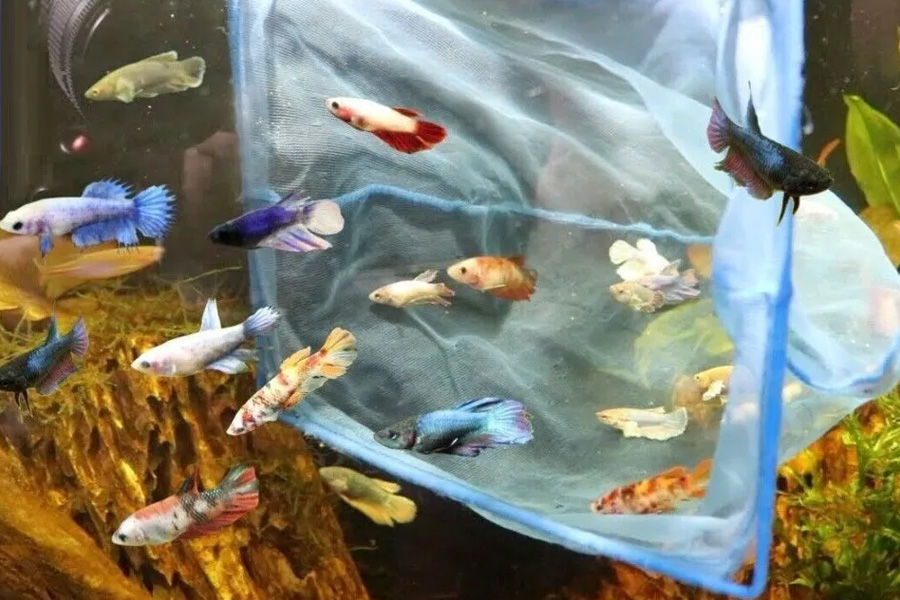
Few freshwater species carry the reputation of the betta fighting fish. Instantly recognisable by its flared fins, jewel-toned scales, and unmistakably assertive temperament, this small but striking fish has become one of the most sought-after additions to home aquariums across the UK.
Demand has grown steadily among both new and experienced keepers, and anyone browsing options for a betta fighting fish will quickly notice the sheer range of colours and fin types now available to hobbyists. Whether you are setting up your very first tank or looking to add a new specimen to an established collection, understanding the biology, behaviour, and care requirements of this species is essential before bringing one home.
Origins and Natural Behaviour
Native to the shallow, slow-moving waters of Southeast Asia, particularly the rice paddies and floodplains of Thailand, Cambodia, and Vietnam, wild betta populations evolved in environments where oxygen levels fluctuate dramatically. This gave rise to one of the species’ most remarkable adaptations: a labyrinth organ that allows the fish to breathe atmospheric air directly from the surface. It is this adaptation, more than any other, that shaped how the species is kept today and why it tolerates conditions that would be unsuitable for most other tropical fish.
In the wild, males establish and defend small territories, displaying vividly to rivals and rarely engaging in prolonged physical conflict unless space is severely limited. This natural territoriality is the origin of the species’ common name, and it remains the single most important behavioural trait for any prospective keeper to understand. Two males housed together, regardless of tank size, will almost always result in sustained aggression, so single-male housing is the standard recommendation among experienced hobbyists and retailers alike.
Setting Up the Right Environment
A common misconception is that this species can thrive in small, unfiltered bowls. In reality, while the labyrinth organ provides a margin of tolerance, a stable and appropriately sized environment makes a considerable difference to long-term health and colour development. A minimum tank size of around 20 litres is generally recommended, with gentle filtration, a consistent heater set between 24 and 27 degrees Celsius, and a tightly fitting lid, since these fish are accomplished jumpers.
Planting the tank, whether with live or silk plants, gives the fish places to rest near the surface and reduces stress considerably. Floating plants are particularly well suited, mimicking the dense vegetation of natural habitats while also softening the light. Substrate choice is largely aesthetic, though fine sand or smooth gravel is preferable to anything with sharp edges, as the long, trailing fins are prone to damage.
Diet and Feeding
As natural carnivores, these fish require a protein-rich diet to maintain their colour, energy, and immune function. High-quality pellet food formulated specifically for the species should form the bulk of the diet, supplemented with occasional live or frozen foods such as bloodworm, brine shrimp, or daphnia. Overfeeding is a far more common problem than underfeeding, and keepers should aim to offer only what can be consumed within a couple of minutes, once or twice a day.
Recognising Quality Stock
Not all specimens available on the market are equal in health or vigour. Prospective owners should look for clear, bright eyes, fully extended and undamaged fins, active swimming behaviour, and even colouration without patchiness or dull patches. A fish that hovers listlessly near the surface or shows clamped fins may be stressed or unwell, and it is always worth asking a supplier about water parameters and how long the stock has been settled before purchase.
For those ready to buy, reputable specialist retailers stocking betta fighting fish for sale typically maintain dedicated systems for the species, with water chemistry and quarantine practices tailored specifically to their needs, which tends to produce noticeably hardier and better-conditioned fish than generic pet shop stock.
Colour Varieties and Fin Types
Decades of selective breeding have produced an extraordinary range of colours and fin patterns, from the classic veiltail with its long, flowing fins to the more compact and rounded halfmoon, crowntail, and plakat varieties. Colours range from deep reds and iridescent blues to marbled, butterfly, and even near-black forms. This variety is a large part of the species’ enduring popularity, as no two specimens are ever quite identical, and many keepers find themselves drawn into collecting several distinct types over time.
Common Health Considerations
Fin rot, caused by poor water quality or bacterial infection, is among the most frequently reported issues, typically presenting as ragged or discoloured fin edges. Regular partial water changes, generally around 25 percent weekly, combined with stable temperature and low ammonia levels, prevent the majority of health problems before they start. Ich, or white spot disease, and swim bladder issues linked to overfeeding are the other conditions most commonly encountered, both of which are manageable with prompt attention and appropriate treatment.
Water Chemistry in More Detail
Beyond temperature, pH and hardness play a quiet but significant role in long-term wellbeing. A pH range of roughly 6.5 to 7.5 suits most captive-bred lines well, and while wild-caught specimens from soft, acidic blackwater habitats can be fussier, the vast majority of stock sold today has been farmed for generations under moderate UK tap water conditions, making acclimatisation considerably more straightforward than keepers often expect. A reliable liquid test kit, rather than strips alone, is worth the investment, since ammonia and nitrite spikes are usually the real cause behind symptoms that get blamed on the fish itself.
Cycling a new tank before introducing any livestock remains the single most overlooked step among first-time keepers. A tank that has not been allowed to establish a healthy population of beneficial bacteria will see ammonia and nitrite climb rapidly once a fish is introduced, placing enormous strain on the gills and immune system even in a species as hardy as this one. Patience during the first two to four weeks of a new setup pays dividends for the following two to three years, which is roughly the typical lifespan when conditions are well maintained.
Tank Mates and Community Considerations
While solitary by nature, a single male can sometimes be housed successfully alongside peaceful, fast-moving bottom or mid-water species that do not resemble another male of the same species in shape or colour. Small tetras, corydoras catfish, and nerite snails are among the more commonly recommended companions, though every introduction should be approached cautiously and with a close eye kept on behaviour for the first few days. Female specimens, by contrast, can sometimes be kept in small groups known as sororities, though this requires a larger, heavily planted tank with multiple sightlines to break up aggression, and is generally considered an approach best suited to more experienced keepers rather than beginners.
It is worth noting that many otherwise suitable community fish, including guppies and other long-finned or brightly coloured species, are best avoided as tank mates, since their appearance can trigger the same territorial response that would occur between two males of the same species. Careful research into any prospective companion, rather than relying on generic community-tank advice, will save considerable stress for all fish involved.
Breeding Notes for the Curious Keeper
Breeding is a specialist undertaking rather than something to attempt casually, but it remains a fascinating area for keepers who want to go beyond basic maintenance. Males construct bubble nests at the water’s surface, using saliva-coated bubbles to create a floating platform where fertilised eggs are held until they hatch. The process of introducing a female, encouraging spawning, and then separating the pair afterwards, since the male will aggressively guard the nest and can injure a female who lingers too long, requires a dedicated breeding tank and close supervision throughout. Fry are extremely small upon hatching and require infusoria or specially prepared liquid fry food in the earliest days before graduating to baby brine shrimp, making successful rearing a genuinely rewarding but time-intensive project.
Long-Term Enrichment
Despite their small size, these fish display a surprising degree of intelligence and can be trained to recognise their keeper, follow a finger along the glass, and even learn simple tricks such as swimming through a hoop, a pursuit that has become something of a niche hobby in its own right. Providing occasional novelty, whether through rearranged décor, a new piece of driftwood, or short supervised time in a shallow enrichment container, can noticeably increase activity and engagement in a fish that might otherwise spend long periods resting near a favourite plant leaf. Mirrors should be used sparingly, if at all, since prolonged exposure to a perceived rival can cause lasting stress rather than the brief, harmless flare response many keepers assume it produces.
Is This the Right Fish for You?
For anyone drawn to a low-maintenance yet visually striking centrepiece fish, few species offer the same combination of hardiness, personality, and colour. They are widely regarded as an excellent option for keepers with limited space, and their tolerance of a wide range of water conditions makes them considerably more forgiving than many other tropical species. That said, their solitary nature means they are not a fish for community setups involving other long-finned or brightly coloured tankmates, which can trigger territorial aggression.
With the right setup, a stable diet, and a source that prioritises healthy, well-conditioned stock, this remains one of the most rewarding species available to freshwater aquarists, offering years of vivid colour and distinct personality in return for relatively modest care requirements.