
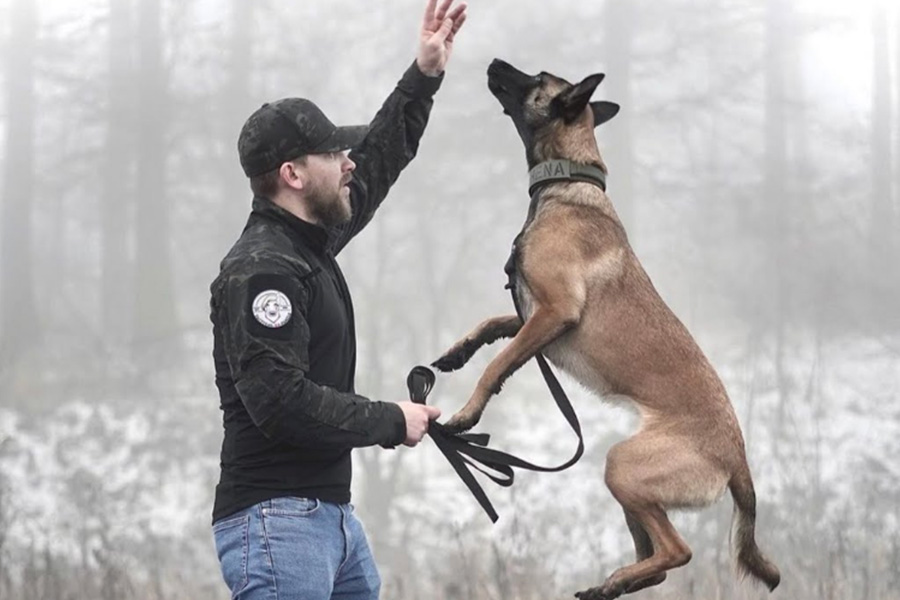
If you’ve been searching for trained protection dogs for sale or protection dogs, you already know there is a wide range of information and options to sort through. The market includes breeders, trainers, and sellers making many different claims, and not all of them reflect the same level of quality or reliability.
This guide is designed to help you understand what truly matters when choosing a trained protection dog such as those found at https://scottsk9.com. Whether you are a first-time buyer or someone with experience handling working dogs, it is important to know what you are actually investing in. The sections below will help you understand what to look for, what to avoid, and how to choose a dog that fits your lifestyle and protection needs.
What Is a Trained Protection Dog?
A trained protection dog is not the same as a guard dog, and understanding this difference is essential.
A guard dog is typically trained to be territorial and alert its owner to potential threats through barking or defensive behavior. These dogs are often used in fixed locations and may not always be suitable for close social environments or daily interaction with unfamiliar people.
A trained protection dog is developed to live inside a family environment while maintaining calm behavior in everyday situations. These dogs are trained to stay balanced around children, guests, and public environments, only responding to threats when there is a clear reason or a direct command. The goal is controlled protection rather than constant aggression.
A trained protection dog can be understood as a disciplined working companion that combines loyalty, obedience, and situational awareness in one balanced role.
Why People Buy Trained Protection Dogs
The reasons people look for trained protection dogs for sale or protection dogs vary depending on their lifestyle and security needs.
Personal and family safety is one of the most common motivations. Many individuals want an additional layer of protection at home that works actively rather than passively. A trained protection dog provides both presence and response capability.
Executive and travel-related protection is another key reason. Some individuals require a dog that can accompany them in vehicles, hotels, and public spaces while remaining calm, controlled, and attentive in changing environments.
Companionship with added security is also an important factor. Many buyers want a highly obedient and intelligent dog that offers both emotional connection and functional protection ability.
Rural and remote property owners often choose trained protection dogs for added peace of mind in areas where immediate emergency response may not always be available.
The Three Breeds That Define Elite Protection Work
Not all dogs are suited for protection roles. The most reliable protection breeds share intelligence, physical ability, strong working drive, and stable temperament. Three breeds are widely recognized for excelling in this field: the German Shepherd, the Belgian Malinois, and the Dutch Shepherd.
The German Shepherd is one of the most established protection breeds in the world. Known for intelligence, loyalty, and adaptability, this breed is capable of working in many different environments. A trained German Shepherd is often calm in family settings while still being capable of decisive action when needed. This balance makes it one of the most popular choices for protection dogs for families and individuals.
The Belgian Malinois is known for extreme drive, speed, and high-performance capability. It is widely used in professional working environments due to its focus and intensity. A trained Belgian Malinois performs at a very high level under pressure, making it suitable for experienced handlers who can manage its energy and training needs effectively.
The Dutch Shepherd is a highly capable and versatile working breed that is valued for its adaptability and resilience. It handles changing environments and challenging conditions well, making it a strong option for individuals looking for a less common but highly effective protection dog. It shares many traits with other elite working breeds while maintaining a flexible temperament when properly trained.
These breeds share a foundation built on generations of selective breeding for working ability, stability, and responsiveness. Choosing between them depends on lifestyle, experience level, and the type of protection role required.
Levels of Protection Training
When reviewing trained protection dogs for sale or protection dogs, it is important to understand that training levels vary significantly depending on the program and the trainer.
Basic obedience is the foundation of all protection work. A trained protection dog must reliably follow core commands such as sit, stay, heel, down, recall, and release. Without strong obedience, advanced training cannot be effective or safe.
Socialization training ensures the dog behaves appropriately in public environments and around different people, animals, and distractions. A well-socialized protection dog remains calm and stable even in busy or unfamiliar surroundings.
Personal protection training focuses on controlled response to real threats. This includes recognizing danger, responding under command, and maintaining control in high-stress situations. Proper execution requires structured professional training over time.
Sport-based protection training is often performed in controlled environments and may not always translate directly into real-world protection scenarios. While it can demonstrate skill and drive, it serves a different purpose compared to practical personal protection training.
Red Flags to Watch Out For
When evaluating protection dogs for sale or protection dogs, it is important to recognize warning signs that may indicate poor training or unreliable sellers.
Prices that seem unusually low can often signal a lack of proper breeding or training investment. A properly trained protection dog requires time, expertise, and structured development, which is reflected in its value.
Lack of transparency about a dog’s background is another concern. Reliable sellers should be able to clearly explain lineage, health status, and training progress in detail. Unclear or vague information is often a red flag.
Inability to meet the dog in person or observe its behavior before purchase should also be viewed cautiously. Direct evaluation is essential to understanding temperament and training quality.
Unstable or overly reactive behavior is not a sign of proper protection training. A true trained protection dog should demonstrate calm confidence, controlled awareness, and stable responses rather than unpredictable aggression or anxiety.